Yahoo!
Description
Many couples enter therapy assuming their sexual concerns should be kept out of their couples therapy, and many therapists refer clients to a sex therapist as soon as a sexual issue arises, believing that those concerns fall outside of their purview. Yet it is difficult to imagine a couple facing crises, conflict, anger, hurt, or deep emotional distress without sexual dynamics also being part of the picture. Sometimes sexual issues are the presenting problem, other times they may surface only when the therapist asks about them. When therapists inquire openly about sexuality or about how crises affect a couple’s sexual connection, they signal that sexuality is a normal and essential part of relational life, reducing shame and inviting honest dialogue. This webinar will address six issues that can emerge in couples’ sexual and emotional lives: infidelity, infertility, mismatched desire, serious illness (including cancer), one partner coming out as gay or transgender, and requests to open the relationship. We will explore conceptual frameworks, clinical applications, practical interventions and skills for navigating each scenario. Because sexual topics can evoke strong reactions in therapists, we will also consider the importance of noticing our own biases, assumptions and emotional responses. Developing greater comfort and competence in discussing sexuality strengthens our ability to effectively and sensitively support couples through complicated issues.
Once you access the program, scroll down to the section labeled 'View this webinar’s attachments/handouts.' All worksheets and assignments are listed as links.
Click on them to either download them to your device or open them directly. After completing all required tasks and worksheets, click the 'Get CE Certificate Here' button to complete the evaluation and receive your certificate.
Like this webinar? Click here to view packages that contain this webinar.
About the Presenter:
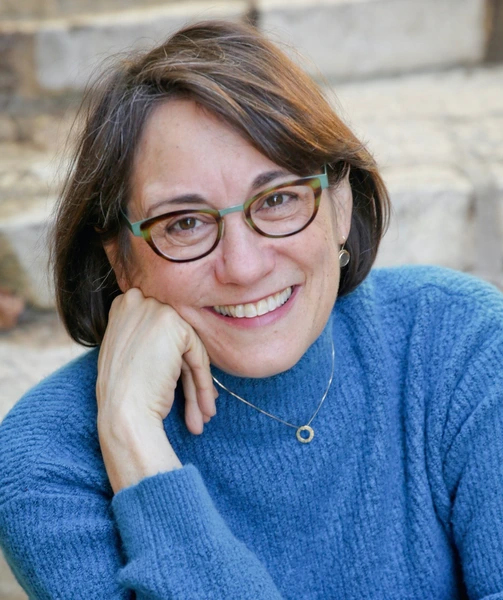
Shoshana Bulow, PhD is a psychotherapist in private practice in New York City. During the course of her career, she has taught and supervised couples, family and sex therapy at the William Alanson White Institute, the Ferkauf Graduate School of Psychology at Yeshiva University, the NYU Langone Program in Human Sexuality, the Ackerman Institute for the Family, Mt. Sinai School of Medicine and The Family Institute in Jerusalem, Israel. Shoshana currently runs private supervision groups for couples therapists. She has been a certified sex therapist and sex therapy supervisor for almost two decades.
Learning Objectives:
- Participants will be able to identify at least three common sexual issues that may surface in couples therapy and explain how these concerns intersect with emotional and relational distress.
- Participants will be able to apply at least two clinical frameworks or intervention strategies for working with couples facing challenges such as infidelity, infertility, mismatched desire, serious illness, identity disclosure, or requests to open the relationship.
- Participants will be able to demonstrate increased clinical awareness by identifying at least two personal biases or emotional reactions that may arise when discussing sexual topics and describe how these can influence therapeutic engagement.
Accreditation - These webinars offer 2 Continuing Education Credits
This webinar is recorded and will not grant live credits. It grants Credits as listed below.
- The School of Sex Therapy is an approved continued education provider for the International Association of Psychosexual Therapists. The School of Sex Therapy maintains responsibility for this program and its content.
This presentation is open to:
- Behavior Analysts
- Social Workers
- Professional Counselors
- Therapists
- Psychologists
- Licensed Mental Health Practitioners
- Medical Doctors and Other Health Professionals
- Other professionals interacting with populations engaged in mental health based services
This online class is offered at an introductory level, and is beneficial for a beginner level clinician:
- New practitioners who wish to gain enhanced insight surrounding the topic
- Experienced practitioners who seek to increase and expand fundamental knowledge surrounding the subject matter
- Advanced practitioners seeking to review concepts and reinforce practice skills and/or access additional consultation
- Managers seeking to broaden micro and/or macro perspectives
Additional information
- Refunds: Registrants who are unable to attend a Frum Therapist seminar or live webinars may ask for, and will receive, a credit or refund (your choice). Refund requests will be processed within 3 business days. When an attendee knows in advance that they are unable to attend we ask that they inform Frum Therapist ahead of time by emailing [email protected] or by calling or texting 631-202-1010 this allows us to free up the spot in the training in the event that a training is at or near capacity.
- Disability Access: If you require ADA accommodations, please contact our office 30 days or more before the event. We cannot ensure accommodations without adequate prior notification.
- Please Note: Licensing Boards change regulations often, and while we attempt to stay abreast of their most recent changes, if you have questions or concerns about this course meeting your specific board’s approval, we recommend you contact your board directly.
- The grievance policy for trainings provided by Frum Therapist is available here
- Satisfactory Completion: Certificates are available after satisfactory course completion in your account or by clicking here
- Participants will receive their certificate electronically upon completion of the webinar and course evaluation form.
- There is no conflict of interest or commercial support for this program.
- System Requirements: Any device (such as a computer, tablet, or phone), Dual-Core 2 GHz or higher processor, and at least 4 GB of RAM capable of running a Zoom session, along with a stable internet connection.
- Although early registration is recommended for this class in order to ensure the best experience, attendees may register and join until the start of the program