Yahoo!
Description
This 3-hour seminar teaches sex and couples therapists how to conduct a comprehensive, ethical, trauma-informed, and culturally responsive biopsychosocial assessment with specific emphasis on taking a sex history. Students will learn how to move beyond symptom collection and assess the biological, psychological, relational, cultural, developmental, and contextual factors that shape sexual functioning and sexual distress.
The course integrates the biopsychosocial model, current sexual health history frameworks, sex-positive clinical interviewing, and interdisciplinary referral considerations. The biopsychosocial model is widely used in sexual medicine and sex therapy, but recent scholarship cautions that clinicians must apply it fully rather than reduce sexual concerns to only medical, psychological, or relational explanations.
Like this webinar? Click here to view packages that contain this webinar.
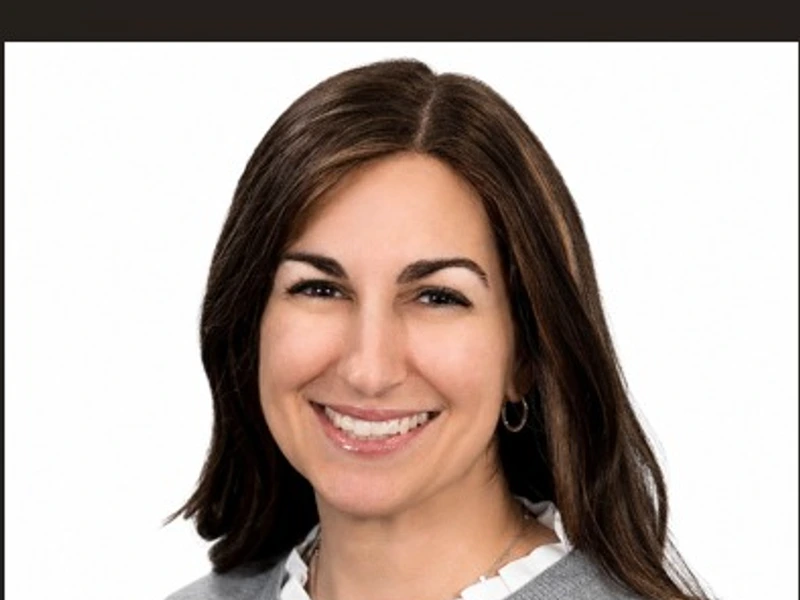
About the Presenter:
Learning Objectives:
- Describe the core biological, psychological, relational, social, cultural, and developmental domains of a biopsychosocial sex therapy assessment.
- Demonstrate at least three trauma-informed and sex-positive strategies for introducing sexual history questions in a clinical intake.
- Differentiate between sexual behavior, sexual identity, sexual functioning, sexual distress, relational meaning, and medical risk when taking a sex history.
- Formulate an initial case conceptualization using predisposing, precipitating, maintaining, and protective factors.
- Identify when referral or collaboration with medical, pelvic health, psychiatric, or other allied professionals is clinically indicated.
Agenda:
0:00–0:15 — Opening, Frame, and Ethics of Sexual Inquiry
Content:
-
Why sex history belongs in therapy assessment
-
Difference between curiosity, voyeurism, and clinically indicated inquiry
-
Confidentiality, informed consent, mandated reporting, and scope of practice
-
Therapist self-awareness: discomfort, values, assumptions, and countertransference
-
Normalizing sexual questions without forcing disclosure
0:15–0:35 — The Biopsychosocial Model in Sex Therapy
Content:
-
Biological factors: hormones, pain, medications, medical conditions, pelvic floor function, disability, pregnancy/postpartum, menopause, aging, substances
-
Psychological factors: desire, arousal, shame, anxiety, depression, trauma, body image, religious or moral conflict, compulsivity concerns
-
Relational factors: attachment, communication, conflict, betrayal, desire discrepancy, sexual scripts, emotional safety
-
Social/cultural factors: culture, religion, gender norms, minority stress, racism, disability stigma, sexual education, community values
-
Developmental factors: early messages about sex, puberty, first sexual experiences, sexual milestones, identity development
-
Protective factors: pleasure, intimacy, communication strengths, resilience, supportive partner(s), spiritual resources, self-knowledge
0:35–1:00 — Structure of a Comprehensive Sex History
Content:
Core sex history domains:
-
Presenting sexual concern
-
What brings the client in now?
-
Who sees this as the problem?
-
What would improvement look like?
-
Current sexual functioning
-
Desire, arousal, lubrication/erection, orgasm, pain, satisfaction, pleasure, avoidance
-
Solo sex and partnered sex, when clinically relevant
-
Partners and relationship context
-
Current partner(s), relationship structure, agreements, communication, safety
-
Monogamy, consensual non-monogamy, infidelity, secrecy, coercion
-
Practices and sexual behavior
-
Types of sexual activity, frequency, changes over time, wanted/unwanted experiences
-
Distinguish behavior from identity and desire
-
Protection and sexual health risk
-
STI history, contraception, pregnancy intentions, testing, safer sex practices
-
CDC’s commonly used “5 Ps” model includes partners, practices, protection, past STI history, and pregnancy intention.
-
Medical and pelvic health history
-
Pain, surgeries, medications, hormonal changes, urologic/gynecologic issues, chronic illness
-
Referral indicators
-
Family of Origin and Attachment History
-
Childhood and early attachment, parental relationships
-
Early messages about puberty/masturbation/sex
-
Previous relationships
-
Early sexual experiences
-
Sexual play/experimentation
-
Previous sexual relationships and encounters
-
Betrayals/break ups
-
Trauma, coercion, and safety
-
Asked carefully, with consent and pacing
-
Current safety before detailed trauma narrative
-
Culture, religion, values, and meaning
-
Sexual guilt, modesty, marital values, community norms, spiritual conflict
-
Strengths, pleasure, and goals
-
What works?
-
What has helped?
-
What kind of sexual life does the client want?
1:00–1:20 — Language, Permission, and Trauma-Informed Interviewing
Content:
-
Asking before asking
-
Using client language while maintaining clinical clarity
-
Avoiding assumptions about gender, orientation, anatomy, relationship structure, or sexual goals
-
Responding to embarrassment, silence, humor, shame, or disclosure of trauma
-
How to slow down when the client becomes dysregulated
-
What not to ask in an intake unless clinically necessary
1:20–1:30 — Knowledge Check and Transition
Activity: Short quiz or group polling
Sample questions:
-
Name two biological factors that can affect desire.
-
What is one way to ask permission before taking a sexual history?
-
What is the difference between sexual behavior and sexual identity?
1:30–1:55 — Case Conceptualization: Predisposing, Precipitating, Maintaining, Protective Factors
Content:
Students learn to organize sex history data into a working formulation:
Predisposing factors:
-
Early sexual shame
-
Trauma history
-
Chronic illness
-
Restrictive sexual education
-
Attachment insecurity
Precipitating factors:
-
Childbirth
-
Menopause/perimenopause
-
New medication
-
Affair disclosure
-
Pain episode
-
Religious transition
-
Relationship rupture
Maintaining factors:
-
Avoidance
-
Performance anxiety
-
Partner pressure
-
Pain-fear cycle
-
Lack of communication
-
Medical issue not evaluated
-
Shame and secrecy
Protective factors:
-
Motivation
-
Partner support
-
Good communication
-
Prior positive sexual experiences
-
Access to medical care
-
Flexible sexual scripts
1:55–2:20 — Role Play: Taking the Sex History
Activity: Triad or dyad role play
Roles:
-
Therapist
-
Client
-
Observer
Scenario options:
-
Desire discrepancy in a long-term couple
-
Pain with penetration and avoidance
-
Erectile difficulty with performance anxiety
-
Shame after religious or cultural messages about sex
-
Postpartum sexual changes
-
Sexual trauma history emerging during intake
Observer checklist:
-
Did the therapist ask permission?
-
Did the therapist use neutral language?
-
Did the therapist assess biological, psychological, relational, and cultural factors?
-
Did the therapist avoid premature interpretation?
-
Did the therapist identify next-step referrals or assessments?
2:20–2:40 — Interdisciplinary Collaboration and Referral
Content:
-
When to refer to pelvic physical therapy
-
When to refer to gynecology, urology, endocrinology, psychiatry, primary care, pain medicine, or sexual medicine
-
Medication side effects and sexual functioning
-
Pelvic pain, erectile dysfunction, vaginismus/genito-pelvic pain, low desire, orgasm concerns
-
Staying within clinical scope
-
How to explain referrals without implying “it is all in your body” or “it is all in your head”
2:40–2:55 — Documentation, Risk, and Clinical Decision-Making
Content:
-
What to document from a sex history
-
Clinical relevance and minimal necessary detail
-
Consent, coercion, intimate partner violence, exploitation, compulsive behavior concerns
-
Risk assessment: suicidality, self-harm, abuse, assault, unsafe sexual situations
-
How to document sensitive sexual information respectfully
-
Treatment planning after assessment
2:55–3:00 — Wrap-Up and Post-Test
Activity:
-
Final questions
-
Post-test
-
Course evaluation
-
Self-reflection: “What part of sex history taking do I need to practice most?”
Accreditation - This Webinar Offers 3 Live Interactive Continuing Education Credits
- Therapist Express is recognized by the New York State Education Department's State Board for Mental Health Practitioners as an approved provider of continuing education for licensed creative arts therapists. #CAT-0122.
- Therapist Express is recognized by the New York State Education Department's State Board for Mental Health Practitioners as an approved provider of continuing education for licensed marriage and family therapists #MFT-0129.
- Therapist Express is recognized by the New York State Education Department's State Board for Mental Health Practitioners as an approved provider of continuing education for licensed mental health counselors. #MHC-0325.
- Therapist Express is recognized by the New York State Education Department's State Board for Psychology as an approved provider of continuing education for licensed psychologists #PSY-0275.
- Therapist Express is recognized by the New York State Education Department's State Board for Social Work as an approved provider of continuing education for licensed social workers #SW-0774.
- This program meets the requirements for the American Association of Sexuality Educators, Counselors and Therapists. These CE credits may be applied toward AASECT certification and renewal of certification. AASECT Core Knowledge Areas: B, C, G, H.
- CE You! is an approved sponsor of the Maryland Board of Social Work Examiners for continuing education credits for licensed social workers in Maryland.
CE You! maintains responsibility for this program.
This presentation is open to:
- Behavior Analysts
- Social Workers
- Professional Counselors
- Therapists
- Psychologists
- Licensed Mental Health Practitioners
- Medical Doctors and Other Health Professionals
- Other professionals interacting with populations engaged in mental health based services
This online class is offered at an intermediate level, and is beneficial for an intermediate level clinician:
- New practitioners who wish to gain enhanced insight surrounding the topic
- Experienced practitioners who seek to increase and expand fundamental knowledge surrounding the subject matter
- Advanced practitioners seeking to review concepts and reinforce practice skills and/or access additional consultation
- Managers seeking to broaden micro and/or macro perspectives
Additional information
- Refunds: Registrants who are unable to attend a Frum Therapist seminar or live webinars may ask for, and will receive, a credit or refund (your choice). Refund requests will be processed within 3 business days. When an attendee knows in advance that they are unable to attend we ask that they inform Frum Therapist ahead of time by emailing [email protected] or by calling or texting 631-202-1010 this allows us to free up the spot in the training in the event that a training is at or near capacity.
- Disability Access: If you require ADA accommodations, please contact our office 30 days or more before the event. We cannot ensure accommodations without adequate prior notification.
- Please Note: Licensing Boards change regulations often, and while we attempt to stay abreast of their most recent changes, if you have questions or concerns about this course meeting your specific board’s approval, we recommend you contact your board directly.
- The grievance policy for trainings provided by Frum Therapist is available here
- Satisfactory Completion: Certificates are available after satisfactory course completion in your account or by clicking here
- Participants will receive their certificate electronically upon completion of the webinar and course evaluation form.
- There is no conflict of interest or commercial support for this program.
- System Requirements: Any device (such as a computer, tablet, or phone), Dual-Core 2 GHz or higher processor, and at least 4 GB of RAM capable of running a Zoom session, along with a stable internet connection.
- Although early registration is recommended for this class in order to ensure the best experience, attendees may register and join until the start of the program