Menopause and Sexual Health: An Interdisciplinary Clinical Framework for Sex Therapy
3 Hours, 0 Minutes
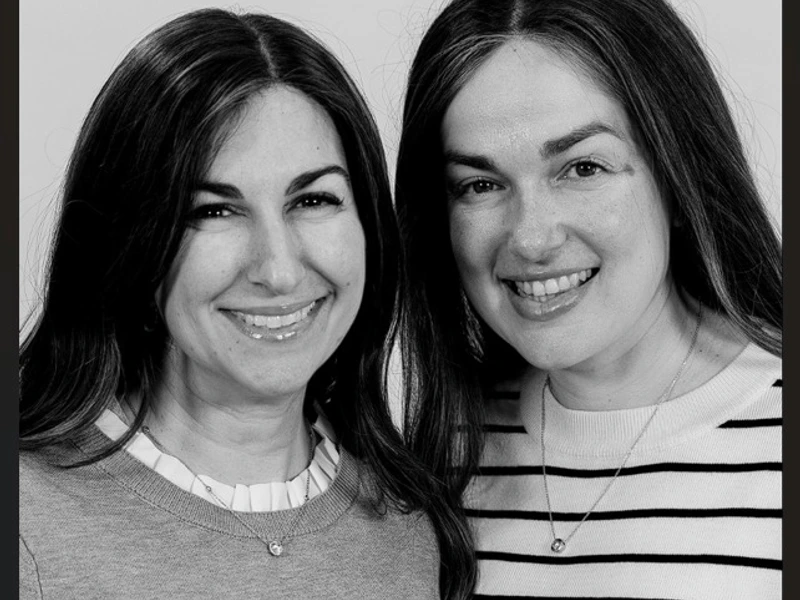
Tuesday, November 24th, 2026 10:00 AM EST -1:00 PM EST Diana Melnick and Sara Klein
Tuesday, November 24th, 2026 10:00 AM EST -1:00 PM EST Diana Melnick and Sara Klein
3 CE Credits
Price
Paid
$59.99 USD
Yahoo!
Description
Menopause can affect mood, sleep, identity, sexual desire, arousal, orgasm, lubrication, genital comfort, urinary function, pelvic floor tone, and relationship dynamics. This 3-hour online seminar provides clinicians with an integrated biopsychosocial framework for understanding menopause-related sexual concerns, genitourinary syndrome of menopause, dyspareunia, pelvic floor dysfunction, body image changes, and relational distress. The seminar combines sex therapy concepts with pelvic physical therapy principles so clinicians can screen more effectively, communicate more comfortably, and collaborate across disciplines.
Like this webinar? Click here to view packages that contain this webinar.
Click on the title to view the package:
Comprehensive Sex Therapy & Intimacy Training Program: Fulfills AASECT Educational Requirements for Sex Therapy certification
Menopause, Sexual Health and Using Romance Novels as an Adjunct to Integrative Sex
Comprehensive Sex Therapy & Intimacy Training Program
Comprehensive Sex Therapy & Intimacy Training Program: Fulfills AASECT Educational Requirements for Sex Therapy certification
About the Presenter:
Diana Melnick is a registered psychotherapist and certified sex therapist with over a decade of experience helping folks navigate mental health, relationship, sexual and intimacy struggles. She is an ICEEFT certified Emotionally Focused Therapist (Supervisor in training), and Somatic EMDR Practitioner. She is the Clinical Director of Toronto Intimacy Counselling, a multidisciplinary clinic in Toronto which specializes in the treatment of relationship and sexual issues.
Sara Klein is a registered Physiotherapist with more than 19 years of experience. She graduated from the University of Toronto with an MScPT in 2005 and subsequently completed additional training in Woman’s Pelvic Health Physiotherapy. Sara specializes in the treatment of pelvic floor dysfunction including pelvic pain. She treats women at all stages of life including, teens, perinatal, perimenopause and menopause for any bowel, bladder or sexual dysfunction. Sara is passionate about treating people with pain and also serves as a researcher, educator and staff physiotherapist in the Chronic Pain Program at the Hospital for Sick Children assessing and treating teens and children with persistent pain conditions.
Learning Objectives:
- Differentiate common menopause-related sexual and pelvic health concerns, including vasomotor symptoms, genitourinary syndrome of menopause, dyspareunia, pelvic floor overactivity, urinary symptoms, body image distress, and changes in desire or arousal.
- Apply a biopsychosocial assessment framework to menopause-related sexual concerns, including medical, pelvic floor, psychological, relational, cultural, trauma-related, and medication-related contributors.
- Identify appropriate interdisciplinary treatment and referral pathways, including sex therapy interventions, pelvic physical therapy, medical evaluation, menopause-specialist referral, and red-flag symptoms requiring medical follow-up.
- Demonstrate inclusive, trauma-informed, and culturally responsive clinical language for discussing menopause, sexual pain, desire discrepancy, partner dynamics, and pelvic health concerns with diverse clients.
Agenda:
Timed Agenda — 180 Instructional Minutes
Accreditation - This Webinar Offers 3 Live Interactive Continuing Education Credits
- Therapist Express is recognized by the New York State Education Department's State Board for Mental Health Practitioners as an approved provider of continuing education for licensed creative arts therapists. #CAT-0122.
- Therapist Express is recognized by the New York State Education Department's State Board for Mental Health Practitioners as an approved provider of continuing education for licensed marriage and family therapists #MFT-0129.
- Therapist Express is recognized by the New York State Education Department's State Board for Mental Health Practitioners as an approved provider of continuing education for licensed mental health counselors. #MHC-0325.
- Therapist Express is recognized by the New York State Education Department's State Board for Psychology as an approved provider of continuing education for licensed psychologists #PSY-0275.
- Therapist Express is recognized by the New York State Education Department's State Board for Social Work as an approved provider of continuing education for licensed social workers #SW-0774.
- This program meets the requirements for the American Association of Sexuality Educators, Counselors and Therapists. These CE credits may be applied toward AASECT certification and renewal of certification. AASECT Core Knowledge Areas: .
- CE You! is an approved sponsor of the Maryland Board of Social Work Examiners for continuing education credits for licensed social workers in Maryland.
CE You! maintains responsibility for this program.
This presentation is open to:
- Behavior Analysts
- Social Workers
- Professional Counselors
- Therapists
- Psychologists
- Licensed Mental Health Practitioners
- Medical Doctors and Other Health Professionals
- Other professionals interacting with populations engaged in mental health based services
This online class is offered at an intermediate level, and is beneficial for an intermediate level clinician:
- New practitioners who wish to gain enhanced insight surrounding the topic
- Experienced practitioners who seek to increase and expand fundamental knowledge surrounding the subject matter
- Advanced practitioners seeking to review concepts and reinforce practice skills and/or access additional consultation
- Managers seeking to broaden micro and/or macro perspectives
Additional information
- Refunds: Registrants who are unable to attend a Frum Therapist seminar or live webinars may ask for, and will receive, a credit or refund (your choice). Refund requests will be processed within 3 business days. When an attendee knows in advance that they are unable to attend we ask that they inform Frum Therapist ahead of time by emailing [email protected] or by calling or texting 631-202-1010 this allows us to free up the spot in the training in the event that a training is at or near capacity.
- Disability Access: If you require ADA accommodations, please contact our office 30 days or more before the event. We cannot ensure accommodations without adequate prior notification.
- Please Note: Licensing Boards change regulations often, and while we attempt to stay abreast of their most recent changes, if you have questions or concerns about this course meeting your specific board’s approval, we recommend you contact your board directly.
- The grievance policy for trainings provided by Frum Therapist is available here
- Satisfactory Completion: Certificates are available after satisfactory course completion in your account or by clicking here
- Participants will receive their certificate electronically upon completion of the webinar and course evaluation form.
- There is no conflict of interest or commercial support for this program.
- System Requirements: Any device (such as a computer, tablet, or phone), Dual-Core 2 GHz or higher processor, and at least 4 GB of RAM capable of running a Zoom session, along with a stable internet connection.
- Although early registration is recommended for this class in order to ensure the best experience, attendees may register and join until the start of the program