Yahoo!
Description
“Treating Out-of-Control Sexual Behaviors” is a three-hour clinical training that provides an integrative framework for understanding and treating problematic sexual behaviors, including behaviors described as sex addiction, compulsive sexual behavior, pornography-related problems, infidelity, and other integrity-violating sexual behaviors.
This training will examine the current diagnostic landscape, including the clinical usefulness and limitations of labels such as Out-of-Control Sexual Behavior, Compulsive Sexual Behavior Disorder, hypersexuality, and sex addiction. CSBD is included in the ICD-11 as an impulse-control disorder, while distress based solely on moral disapproval is not sufficient for diagnosis; the broader sex addiction literature remains clinically influential but scientifically contested, with ongoing debates about definition, etiology, assessment, and treatment models.
A central emphasis of the training is that clinicians must look beyond symptom suppression. Out-of-control sexual behaviors often function as attempts to regulate shame, loneliness, attachment insecurity, dissociation, grief, unresolved trauma, compulsive secrecy, or intolerable affect. Research links compulsive sexual behavior with emotion dysregulation, and systematic review evidence supports an association between childhood sexual abuse and later compulsive sexual behavior, although trauma should be assessed carefully rather than assumed in every case.
The training will also address the betrayal trauma of the spouse or partner. Treatment of OCSB cannot focus only on the sexually acting-out partner. Discovery of infidelity, secret pornography use, paid sexual encounters, deception, or repeated relational violations may produce trauma-like responses in the betrayed spouse, including intrusive thoughts, hypervigilance, anger, grief, shame, destabilized attachment, loss of reality trust, and impaired relational safety. Peer-reviewed research describes romantic betrayal as a clinically significant form of interpersonal trauma, and infidelity treatment literature identifies affairs as traumatic relationship events requiring structured repair, accountability, stabilization, and careful pacing in couple work.
The training will further address religious trauma, spiritual abuse, moral incongruence, and sexual shame. This section will distinguish healthy religious values from coercive, shame-based, or spiritually abusive dynamics. The term “religious trauma” is clinically important but still developing as an empirical construct; therefore, the training will ground this discussion in peer-reviewed literature on religious/spiritual abuse, religious and spiritual struggles, moral incongruence, religiosity, sexual shame, and compulsive sexual behavior.
The clinical stance presented will be trauma-informed, attachment-sensitive, sexually responsible, spiritually respectful, and clinically neutral. It will support client accountability without humiliation, partner safety without premature forgiveness demands, and religious or moral integration without coercion, shaming, or pathologizing normative sexuality.
Like this webinar? Click here to view packages that contain this webinar.
About the Presenter:
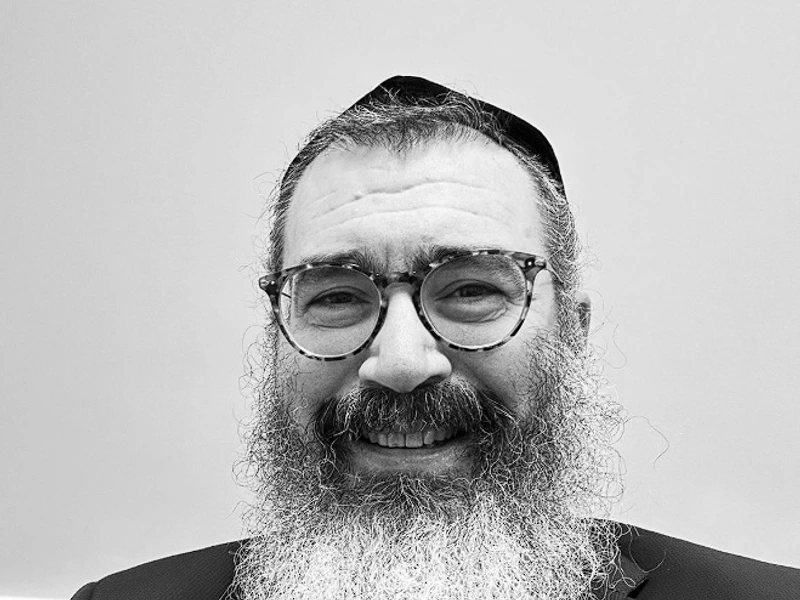
Shmuel Skaist, LPC, CSAT, is a clinician specializing in sex addiction, compulsive and problematic sexual behaviors, betrayal trauma, relational repair, and broader behavioral and process addictions. He works with individuals and couples navigating sexual compulsivity, secrecy, integrity violations, attachment wounds, and the relational fallout of betrayal. He brings over 35 years of experience in Jewish education to his clinical work, integrating addiction-informed care, attachment-based approaches, trauma-informed treatment, evidence-based modalities, mindfulness meditation, and relational accountability. His work pays particular attention to the impact of childhood trauma, betrayal trauma in partners, and religious or spiritual trauma, as well as the complex ways that sexuality, shame, values, faith, and identity intersect in treatment. Shmuel is completing his PhD in Counseling at Montclair State University, where his dissertation research focuses on betrayal trauma and integrity violations in intimate partnerships, including a comparison of symptoms among male and female betrayed partners. He also serves as a counselor at SINAI Schools, supporting adolescents with developmental delays and autism spectrum disorder.
Learning Objectives:
- Describe a comprehensive biopsychosocial-spiritual assessment for clients presenting with out-of-control sexual behaviors, including sexual behavior patterns, trauma history, relational context, psychiatric comorbidity, religious or moral conflict, consent, risk, and partner impact.
- Differentiate OCSB, CSBD, problematic pornography use, moral incongruence, sexual shame, infidelity, and normative sexual variation, using current diagnostic debates and peer-reviewed research to avoid both overpathologizing and minimizing clinically significant harm.
- Explain how out-of-control sexual behaviors may function as attempts to regulate affect, manage shame, cope with trauma, avoid attachment vulnerability, or communicate unresolved relational conflict.
- Identify clinical interventions that address underlying trauma, emotion dysregulation, avoidance, secrecy, shame, and ambivalence while supporting accountability, self-understanding, and durable behavioral change.
- Describe the impact of betrayal trauma on the spouse or partner and identify treatment priorities for relational stabilization, disclosure decisions, safety, accountability, boundaries, grief, and repair.
- Assess the role of religious trauma, spiritual abuse, moral incongruence, and sexual shame in OCSB treatment while respecting clients’ faith commitments and avoiding coercive, shaming, or anti-religious clinical stances.
Agenda:
Hour 1: Clinical Framework, Diagnosis, and Context
- Overview of OCSB, CSBD, hypersexuality, problematic pornography use, and sex addiction terminology.
- Current diagnostic controversies: ICD-11, DSM debates, addiction model, impulse-control model, moral incongruence, and sexual health frameworks.
- Cultural, religious, social, political, and gendered meanings of sexual behavior.
- Distinguishing pathology from values conflict, secrecy, relational betrayal, high desire, nonconforming sexuality, and consensual non-monogamy.
- Discussion of therapist bias, countertransference, moral reactivity, and clinical neutrality.
Hour 2: Assessment, Trauma, Religious Trauma, and Treatment Planning
- Comprehensive biopsychosocial-spiritual assessment.
- Underlying trauma: childhood sexual abuse, developmental trauma, neglect, attachment injury, dissociation, shame, and affect dysregulation.
- Religious trauma and moral incongruence: sexual shame, spiritual abuse, fear-based religious conditioning, scrupulosity-like dynamics, and values integration.
- Treatment planning: CBT, ACT, mindfulness-based strategies, trauma-informed care, psychodynamic/relational work, harm reduction, relapse prevention, accountability, and sexual health planning.
- Working with urges, avoidance, shame cycles, secrecy, and repair behavior.
Hour 3: Betrayal Trauma, Couples, Groups, and Clinical Application
- Betrayal trauma of the spouse or partner: discovery, staggered disclosure, hypervigilance, anger, grief, attachment injury, and loss of reality trust.
- Couple treatment sequencing: stabilization, safety, truth-telling, boundaries, disclosure decisions, accountability, empathy, and repair.
- Men’s group therapy: shame reduction, mentalization, relational accountability, emotional regulation, and peer feedback.
- Consensual non-monogamy versus deception, coercion, secrecy, or unilateral rule-breaking.
- Case vignettes and treatment planning in small or large group discussion.
- Countertransference concerns: rescuing, shaming, colluding, moralizing, minimizing partner trauma, or prematurely pushing forgiveness/reconciliation.
Accreditation - This Webinar Offers 3 Continuing Education Credits
This webinar is recorded and will not grant live credits. It grants Credits as listed below.
- Therapist Express is recognized by the New York State Education Department's State Board for Mental Health Practitioners as an approved provider of continuing education for licensed creative arts therapists. #CAT-0122.
- Therapist Express is recognized by the New York State Education Department's State Board for Mental Health Practitioners as an approved provider of continuing education for licensed marriage and family therapists #MFT-0129.
- Therapist Express is recognized by the New York State Education Department's State Board for Mental Health Practitioners as an approved provider of continuing education for licensed mental health counselors. #MHC-0325.
- Therapist Express is recognized by the New York State Education Department's State Board for Psychology as an approved provider of continuing education for licensed psychologists #PSY-0275.
- Therapist Express is recognized by the New York State Education Department's State Board for Social Work as an approved provider of continuing education for licensed social workers #SW-0774.
- This program meets the requirements for the American Association of Sexuality Educators, Counselors and Therapists. These CE credits may be applied toward AASECT certification and renewal of certification. AASECT Core Knowledge Areas: C, D, I. May be used for Sex Therapy Area ST1.
- CE You! is an approved sponsor of the Maryland Board of Social Work Examiners for continuing education credits for licensed social workers in Maryland.
CE You! maintains responsibility for this program.
This presentation is open to:
- Behavior Analysts
- Social Workers
- Professional Counselors
- Therapists
- Psychologists
- Licensed Mental Health Practitioners
- Medical Doctors and Other Health Professionals
- Other professionals interacting with populations engaged in mental health based services
This online class is offered at an intermediate level, and is beneficial for an intermediate level clinician:
- New practitioners who wish to gain enhanced insight surrounding the topic
- Experienced practitioners who seek to increase and expand fundamental knowledge surrounding the subject matter
- Advanced practitioners seeking to review concepts and reinforce practice skills and/or access additional consultation
- Managers seeking to broaden micro and/or macro perspectives
Additional information
- Refunds: Registrants who are unable to attend a Frum Therapist seminar or live webinars may ask for, and will receive, a credit or refund (your choice). Refund requests will be processed within 3 business days. When an attendee knows in advance that they are unable to attend we ask that they inform Frum Therapist ahead of time by emailing [email protected] or by calling or texting 631-202-1010 this allows us to free up the spot in the training in the event that a training is at or near capacity.
- Disability Access: If you require ADA accommodations, please contact our office 30 days or more before the event. We cannot ensure accommodations without adequate prior notification.
- Please Note: Licensing Boards change regulations often, and while we attempt to stay abreast of their most recent changes, if you have questions or concerns about this course meeting your specific board’s approval, we recommend you contact your board directly.
- The grievance policy for trainings provided by Frum Therapist is available here
- Satisfactory Completion: Certificates are available after satisfactory course completion in your account or by clicking here
- Participants will receive their certificate electronically upon completion of the webinar and course evaluation form.
- There is no conflict of interest or commercial support for this program.
- System Requirements: Any device (such as a computer, tablet, or phone), Dual-Core 2 GHz or higher processor, and at least 4 GB of RAM capable of running a Zoom session, along with a stable internet connection.
- Although early registration is recommended for this class in order to ensure the best experience, attendees may register and join until the start of the program